Northeast China Rice

Northeast China Rice: A Premium Staple of Chinese Agriculture
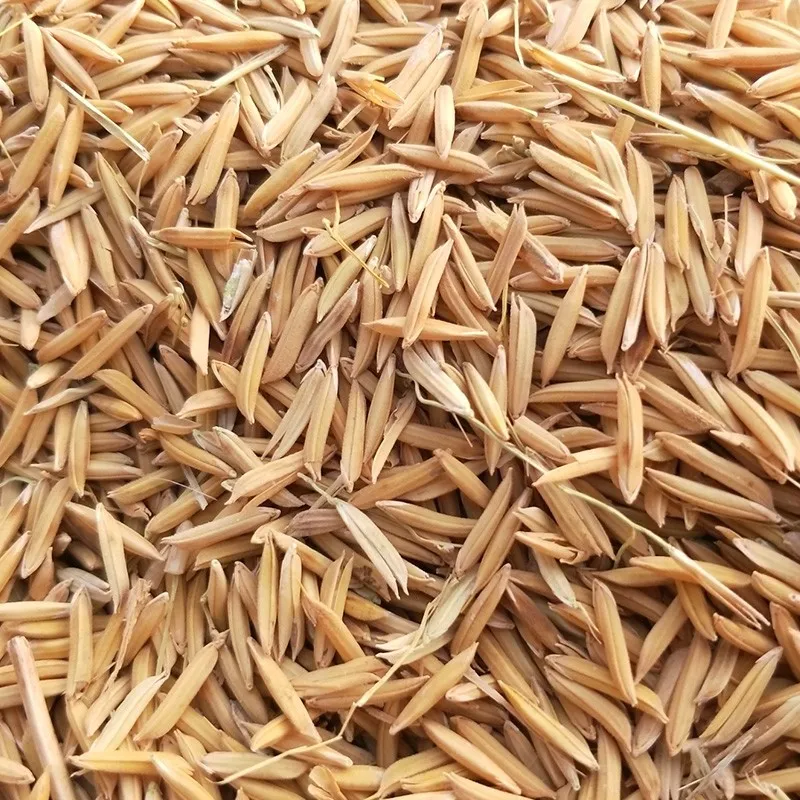
Northeast China rice, primarily grown in the provinces of Heilongjiang, Jilin, and Liaoning, is widely recognized as one of the highest-quality rice varieties in China. Renowned for its lustrous appearance, delicate fragrance, soft yet chewy texture, and rich nutritional content, Northeast China rice has become a staple on dining tables across the country and is increasingly appreciated in international markets.
The region’s unique natural conditions play a crucial role in the superior quality of its rice. Located between 40°N and 50°N, Northeast China experiences a temperate monsoon climate characterized by distinct seasons, long cold winters, warm summers, and significant diurnal temperature variations. These climatic features are ideal for rice cultivation—especially during the growing and ripening periods. The large difference between day and night temperatures allows rice plants to accumulate more starch and sugars, enhancing both sweetness and aroma. Additionally, the region benefits from abundant sunlight and sufficient rainfall, ensuring optimal photosynthesis and grain development.
One of the most valuable assets of Northeast agriculture is its vast expanses of fertile "black soil" (chernozem), among the most nutrient-rich soils in the world. Rich in organic matter and essential minerals, this soil provides an excellent foundation for healthy rice growth. Coupled with clean water sources—often drawn from rivers, lakes, and mountain springs—the region produces rice that is naturally pure and free from contamination.
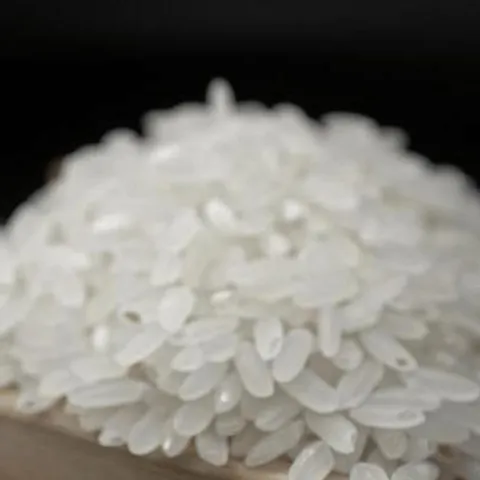
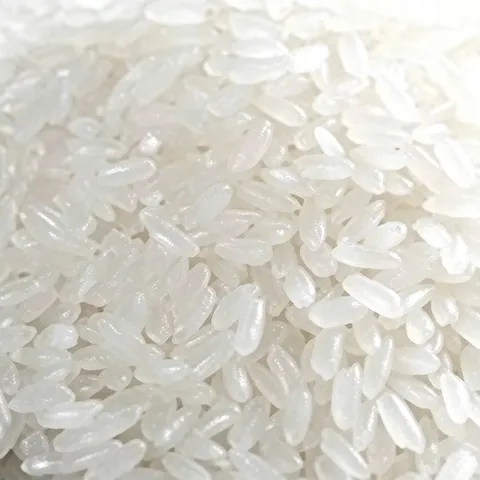
Among the many varieties, Wuchang rice from Heilongjiang Province stands out as the most prestigious. Often referred to as the "king of rice," Wuchang rice is typically made from the acclaimed "Daohuaxiang 2" (Fragrant Rice No. 2) cultivar. Its grains are slender, translucent, and slightly oily in appearance. When cooked, it releases a natural floral aroma, offering a tender, sticky-yet-bouncy texture that remains palatable even when cooled.
Sustainability and food safety are also key priorities in Northeast rice production. Farmers and local governments have embraced green and organic farming practices, minimizing the use of chemical fertilizers and pesticides. Many producers now adhere to strict quality control standards, with certifications for green food and organic agriculture. Traceability systems allow consumers to track the journey of their rice from paddy field to plate, reinforcing trust in product authenticity and safety.
In recent years, Northeast China rice has expanded beyond domestic markets. Through initiatives like the Belt and Road Initiative and the rise of e-commerce platforms, it is now exported to Southeast Asia, the Middle East, Europe, and North America, enhancing China's agricultural footprint globally.
In essence, Northeast China rice exemplifies the harmony between nature, tradition, and modern innovation. It is not only a symbol of agricultural excellence but also a cultural icon representing nourishment, abundance, and the enduring connection between people and the land.
| Company Name | Beijing Yufu Rice Technology Co., Ltd. | Country/Region | China |
| Business Type | business_type_options | Company Size | 500 |
| Established | December 11, 2024 | ||
| Address | |||
| Main Products | Rice | ||
Beijing Yufu Rice Technology Co., Ltd.
Send Inquiry