The Tianjin Xingang Maritime Safety Administration has innovatively implemented the “Five Threes” working method for bonded lashing and securing credit management.
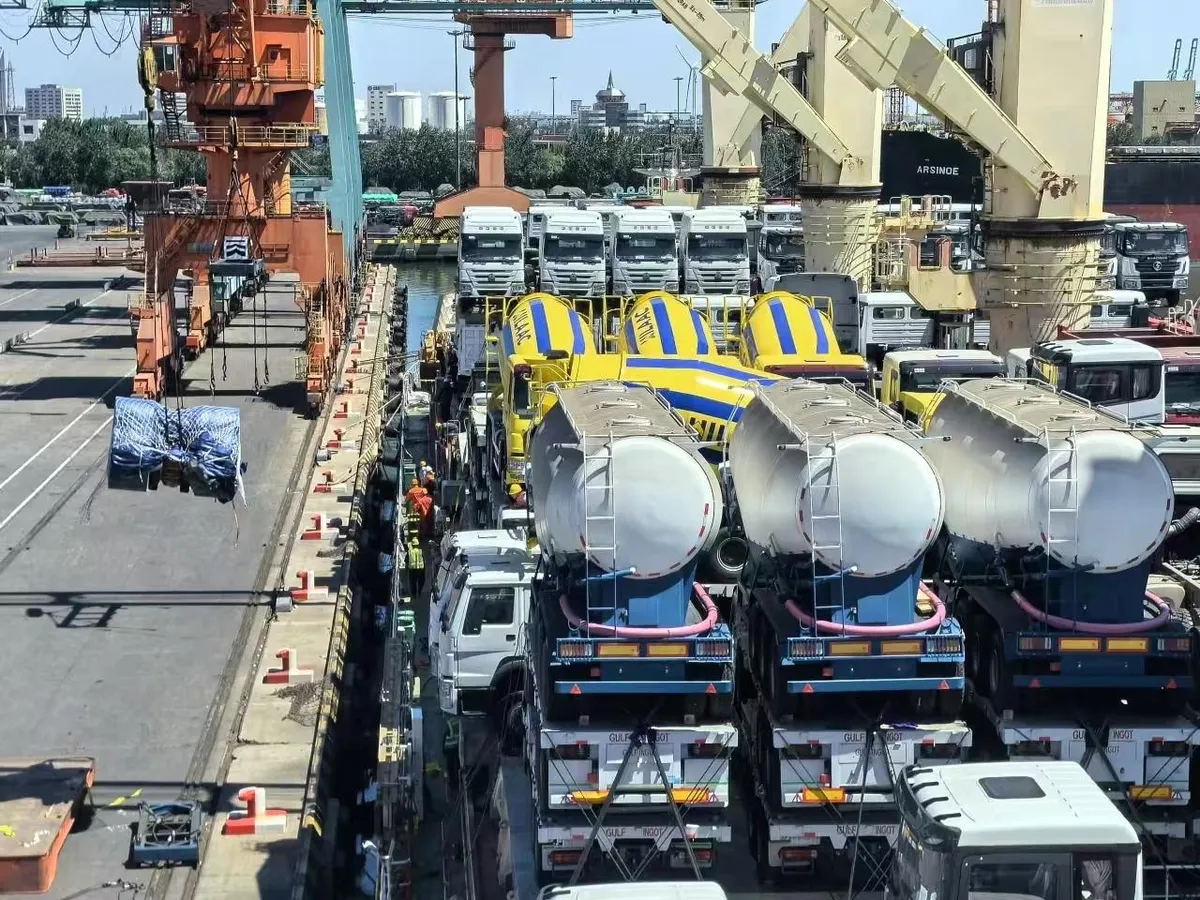
As the core gateway of the Beijing-Tianjin-Hebei port cluster, Tianjin Port is a key hub for ensuring the safe export of general cargo under the "Belt and Road Initiative" and for serving the coordinated development of the Beijing-Tianjin-Hebei region. Addressing issues such as improper stowage and lashing of general cargo vessels, hidden risks of open flame operations, and weak implementation of corporate safety responsibilities, the Tianjin Xingang Maritime Safety Administration has innovatively implemented the "Five Threes" credit management method for lashing and securing. This integrates credit supervision throughout the entire chain of vessel operations, ensuring precise and long-term governance to safeguard maritime safety in the jurisdiction.
"Three Lists" Weaving a Precise Supervision Network
Establish an information list to clarify the regulatory baseline. Conduct a survey of entities involved in vessel lashing and open flame operations within the jurisdiction, create a dynamic ledger for each company, and compile information such as company qualifications, personnel certifications, and inspection data to build a credit database that supports credit ratings. Organize a hazard list to target and address risks. Focus on key aspects such as general cargo stowage and lashing, strictly inspecting violations like improper stowage, ineffective lashing, and unauthorized open flame operations. Over 20 issues have been rectified, mitigating risks in general cargo transportation. Improve the supervision list to achieve comprehensive coverage. By integrating onboard inspections, electronic patrols, and staggered spot checks, a closed-loop supervision system is established for the entire chain of vessel docking, stowage, lashing, operations, and departure, eliminating blind spots in supervision.
"Three Coverages" Building a Bidirectional Credit Reward and Punishment System
Comprehensive coverage of regulatory objects. All entities involved in general cargo lashing, vessel open flame operations, ships, construction, and frontline personnel are included in the maritime credit evaluation system, achieving seamless supervision. Full-time coverage of evaluation cycles. Focusing on core indicators such as operation reporting, lashing quality, hazard rectification, and violation frequency, a credit ledger is established to ensure traceability and evaluability throughout the process. Bidirectional coverage of reward and punishment mechanisms. For compliant and trustworthy entities with standardized operations, incentives such as reduced inspection frequency and priority business handling are implemented. For untrustworthy entities with poor lashing practices, unauthorized open flame operations, or lack of supervision, inspections are intensified, and they are closely monitored.
"Three Mechanisms" Creating a Collaborative Governance Framework for Ports and Ships
Improve the government-enterprise linkage mechanism. Establish a joint office mechanism involving maritime authorities, ports, and operational units to unify enforcement standards, share hazard information, and address issues of overlapping or missing supervision. Strengthen the special campaign mechanism. Focus on high-risk aspects such as oversized cargo transportation and vessel open flame operations, addressing issues like stowage imbalance and inadequate on-site control, and enhancing regional coordination mechanisms. Based on the integrated development of Beijing-Tianjin-Hebei ports, unify regional operational safety standards, regulate industry order, and ensure the safety and smoothness of cross-border shipping.
"Three Assistances" Strengthening the Safety Defense Line at the Source
Assist in compiling risk control manuals. Based on typical hazard cases in the jurisdiction, guide companies in compiling prevention manuals, identifying risk points throughout the process, and refining operational standards to provide guidance for frontline operations. Second, assist in conducting special training. Relying on nodes such as Safety Production Month and Disaster Prevention and Mitigation Day, conduct accident prevention training through case warnings and onboard practical teaching, urging companies to implement a certified workforce system. Assist in improving the emergency system. For scenarios such as cargo overturning, lashing failure, and open flame risks, optimize emergency plans, equip sufficient emergency supplies, and conduct drills, incorporating emergency effectiveness into credit assessments to address corporate emergency shortcomings.
"Three Closed Loops" Tightening the Safety Responsibility Chain
Closed-loop management of problem lists. For hazards such as vessel lashing defects, improper stowage, and lack of protection, establish records and clarify rectification deadlines to ensure hazards are fully controllable and traceable. Closed-loop supervision of hazard rectification. Implement graded handling of hazards, with minor hazards rectified immediately and major or difficult hazards supervised and reviewed by dedicated personnel to ensure dynamic elimination of hazards. Closed-loop operation of credit rewards and punishments. Implement trust-based incentive policies to motivate compliant companies, while intensifying onboard inspections for untrustworthy entities with repeated violations or poor rectification efforts, using credit constraints to enforce standardized operations.
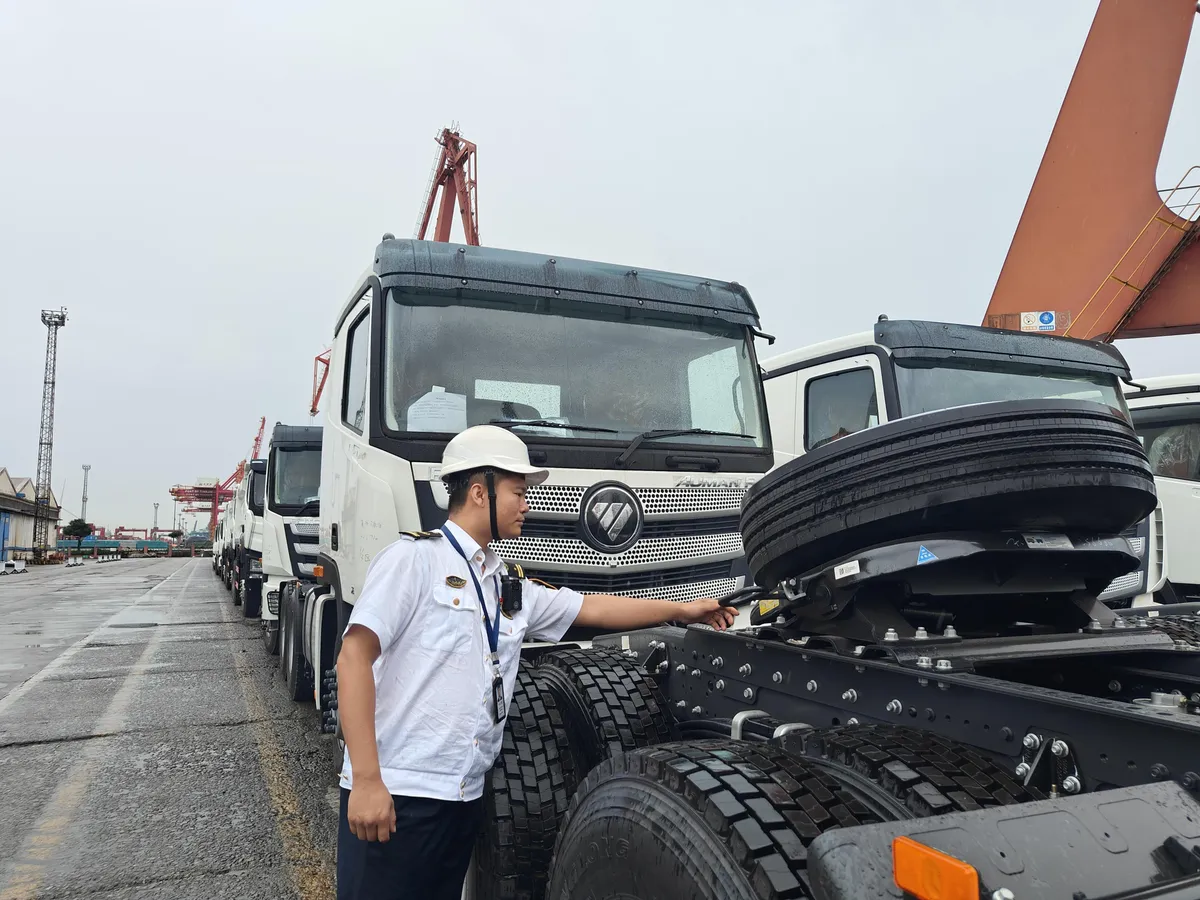
Moving forward, the Tianjin Xingang Maritime Safety Administration will continue to optimize the credit supervision model for general cargo vessels, improve evaluation standards and differentiated regulatory measures, and shift supervision from post-incident penalties to pre-incident prevention, mid-incident control, and long-term governance. This will fully safeguard navigational safety in the jurisdiction and ensure the efficient transfer of materials in the Beijing-Tianjin-Hebei region and the stable and smooth operation of the maritime supply chain under the "Belt and Road Initiative."
-
Guarding the Yangtze River's safety, benefiting the livelihood of riverside residents—Anqing Port Maritime Office weaves a dense safety net for the Anqing section of the Yangtze River.3838
-
A thousand sails head to sea, Lianyungang Maritime ensures safe navigation for the full opening of the fishing season.3275
-
The Dalian Port Lightship Returns to Duty in "Stylish Attire"3376
-
Let the treasures of the grasslands reach across rivers and seas.5010
-
The East China Sea Second Rescue Flying Team of the Ministry of Transport has released an “AI” action plan.3345