
Egg Weekly: Bottom-Fishing Triggers Market Turning Point, the Wind Has Shifted!
I. Domestic Egg Market Analysis
1.1 Egg Market Price Analysis
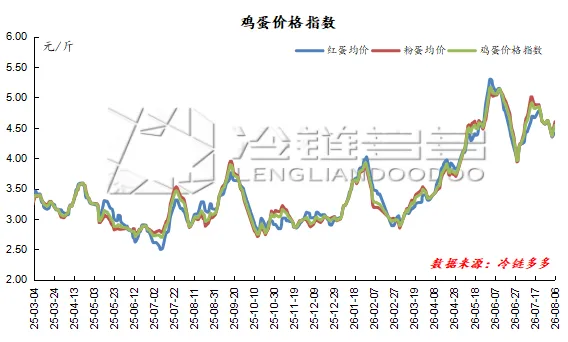
This week, the domestic egg market began to enter a rebound channel. As of Thursday, the average red-egg price was 4.41 RMB/jin, the average pink-egg price was 4.60 RMB/jin, with a price spread of 0.19 RMB/jin, showing an expanding trend in the red-pink egg price gap.
Currently, high temperatures are reducing egg production rates. Meanwhile, previously delayed culling of old hens is facing concentrated elimination, and the volume of old hens being culled is steadily increasing, providing bottom support for egg prices on the supply side. Combined with the continued decline in egg prices in the previous cycle, this has spurred bottom-fishing support in some regions, and market trading has improved noticeably compared with the previous period, further stimulating egg prices to begin an upward trend.
Downstream demand remains relatively weak. Traders mostly adhere to buy-as-needed and fast-paced sales strategies. As of now, downstream food factories are only making small-scale stock purchases, with no signs of large-scale improvement yet, which relatively constrains the room for egg price increases. Overall, purchasing enthusiasm across all segments has increased, market goods flow has accelerated, and bullish sentiment continues to rise.
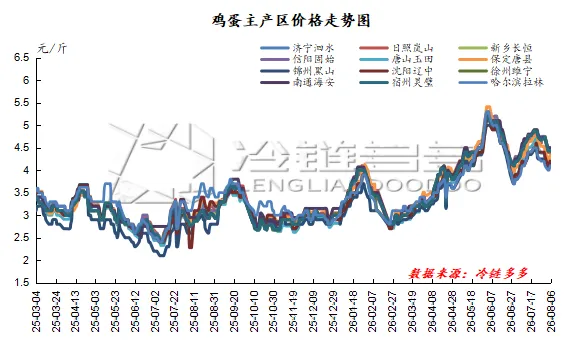
Production Areas: As of Thursday, the average egg price in major production areas was 4.44 RMB/jin, down 0.16 RMB/jin from last Thursday.
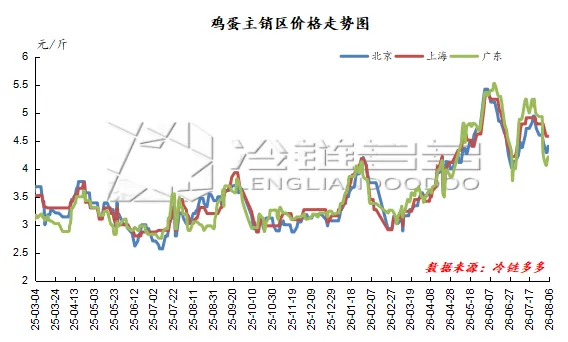
Consumption Areas: As of Thursday, the average egg price in major consumption areas was 4.40 RMB/jin, down 0.16 RMB/jin from last Thursday.
1.2 Egg Market Price Trend Charts
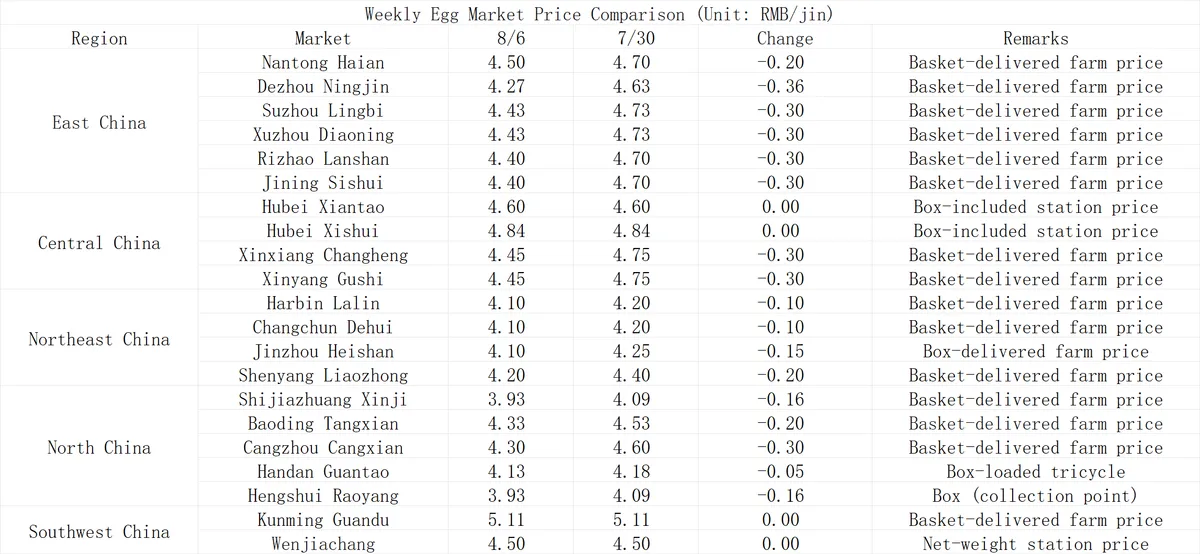
1.3 Regional Egg Market Price Comparison This Week
II. Laying Hen Inventory and Slaughter Analysis
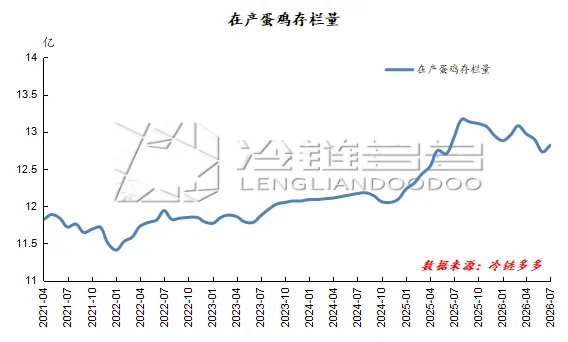
2.1 Inventory Analysis
This week, the inventory of old hens in the market is relatively low. Recently, affected by high temperatures, the mortality and culling rate of old hens has increased, and farmers' enthusiasm for culling remains high. Some areas have seen concentrated elimination, leading to a weakening trend in old hen inventory. Looking at chick sales from April to June, chick sales volume has increased significantly month-over-month, and the number of newly laying hens will continue to grow. Combined with currently acceptable farming profits, restocking across all segments is relatively normal, and there are expectations for inventory improvement in the later period.
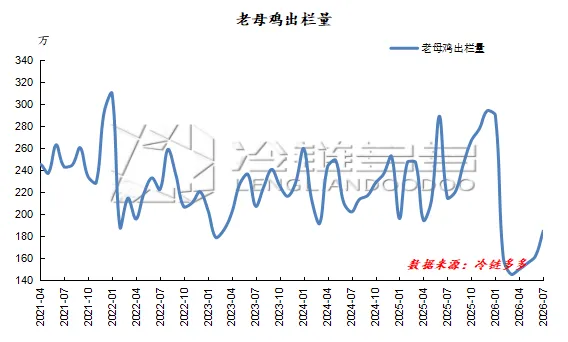
2.2 Slaughter Volume Analysis
This week, the slaughter volume of culled hens has steadily increased. High temperatures persist, the mortality and culling rate of old hens has risen, and most operations maintain normal culling sentiment. However, as chicken prices remain low, some farmers are showing reluctance to sell. Additionally, with short-term egg prices expected to rise, support for chicken prices is strengthening. On the downstream side, trading in live poultry and frozen products at agricultural markets is moderate, and slaughter enterprises are pressing prices for procurement.
III. Egg Demand Analysis
This week, demand-side expectations for eggs remain weak. The recent egg price correction was largely driven by low-price procurement in some regions, and actual downstream demand has not seen substantive improvement. Downstream food factories are only making small-scale stock purchases, and school cafeteria demand has not yet recovered, leaving demand-side support relatively weak. However, with the Mid-Autumn Festival approaching, food processing stockpiling is gradually starting, and there are expectations for demand-side recovery.
IV. Egg Market Outlook
Supply Side: High temperatures continue to affect feed intake and production rates simultaneously, tightening new egg supply. Newly laying hens are still in the capacity release phase and need more time to reach peak production. New capacity cannot be concentratedly released in the short term, so supply-side support remains relatively strong in the near term.
Demand Side: Approaching mid-month, food factories will begin concentrated production stockpiling, with expectations for improved deep-processing demand. Additionally, with schools resuming in late August, cafeteria procurement and group meal demand will start, transitioning the demand side toward peak season. The combination of these dual demand drivers will support egg price increases.
Overall Outlook: Next week, the egg market is expected to continue a volatile upward trend. However, bullish support is not yet fully established in the short term, and all segments remain cautious. The market is expected to see a moderate upward adjustment, with continued differentiation between red and pink egg performance. The adjustment range is estimated at approximately 0.05 RMB/jin, with the average production-area price projected at 4.55-4.65 RMB/jin.